A small apartment feels calmer when each room has fewer visible items and every category has a predictable home. The best systems use vertical storage, hidden zones, and daily reset habits that prevent clutter from moving from one room to another.
Small spaces need fewer visible items and smarter zones.
A compact home becomes easier to live in when surfaces stay clear, vertical space is used well, and occasional items do not compete with daily essentials.
The goal is not to create a perfect showroom. The goal is to create a calmer, more functional everyday routine that is easier to maintain after real use.
Quick answer
Use vertical storage first, define one clear zone for each category, keep daily items easy to reach, and store occasional items out of sight so the room feels calmer.
How this guide answers the search intent
This guide connects the topic to practical storage decisions, collection links, product ideas, and simple routines that can be applied in real homes.
What this guide helps you fix
- Start with the entry zone
- Reduce bathroom counter clutter
- Create flexible kitchen storage
- Use hidden storage for occasional items
Start with the entry zone
The entry area often collects keys, bags, shoes, mail, and random daily items.
Use one small landing zone for daily carry items and avoid letting the entry become long-term storage.
A clean entry makes the whole apartment feel more organized immediately.
Reduce bathroom counter clutter
In a small apartment, the bathroom is often shared with beauty storage, cleaning supplies, and personal care backups.
Keep only daily products visible and move backup items under the sink or into a cabinet bin.
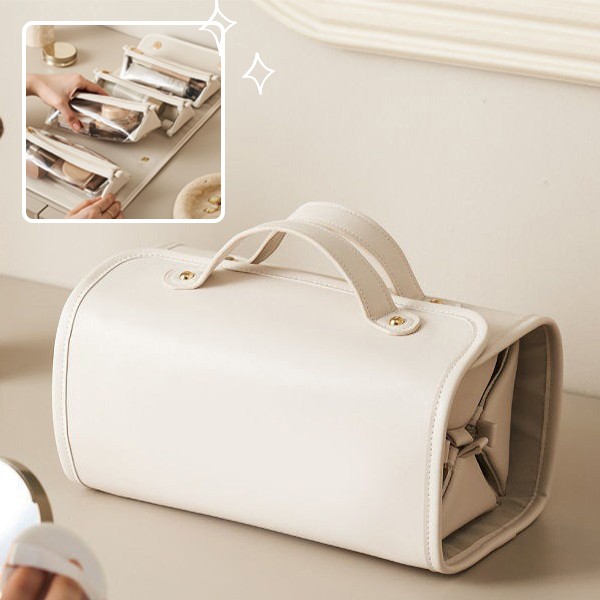
A compact makeup organizer can protect the counter from becoming the main storage area.
Create flexible kitchen storage
Small apartment kitchens need flexible zones because cabinet space is limited.
Use risers, stackable bins, and drawer dividers to make cabinets and drawers easier to search.
Keep countertop appliances to a minimum so prep space stays usable.
Use hidden storage for occasional items
Occasional items should not occupy the easiest-to-reach storage zones.
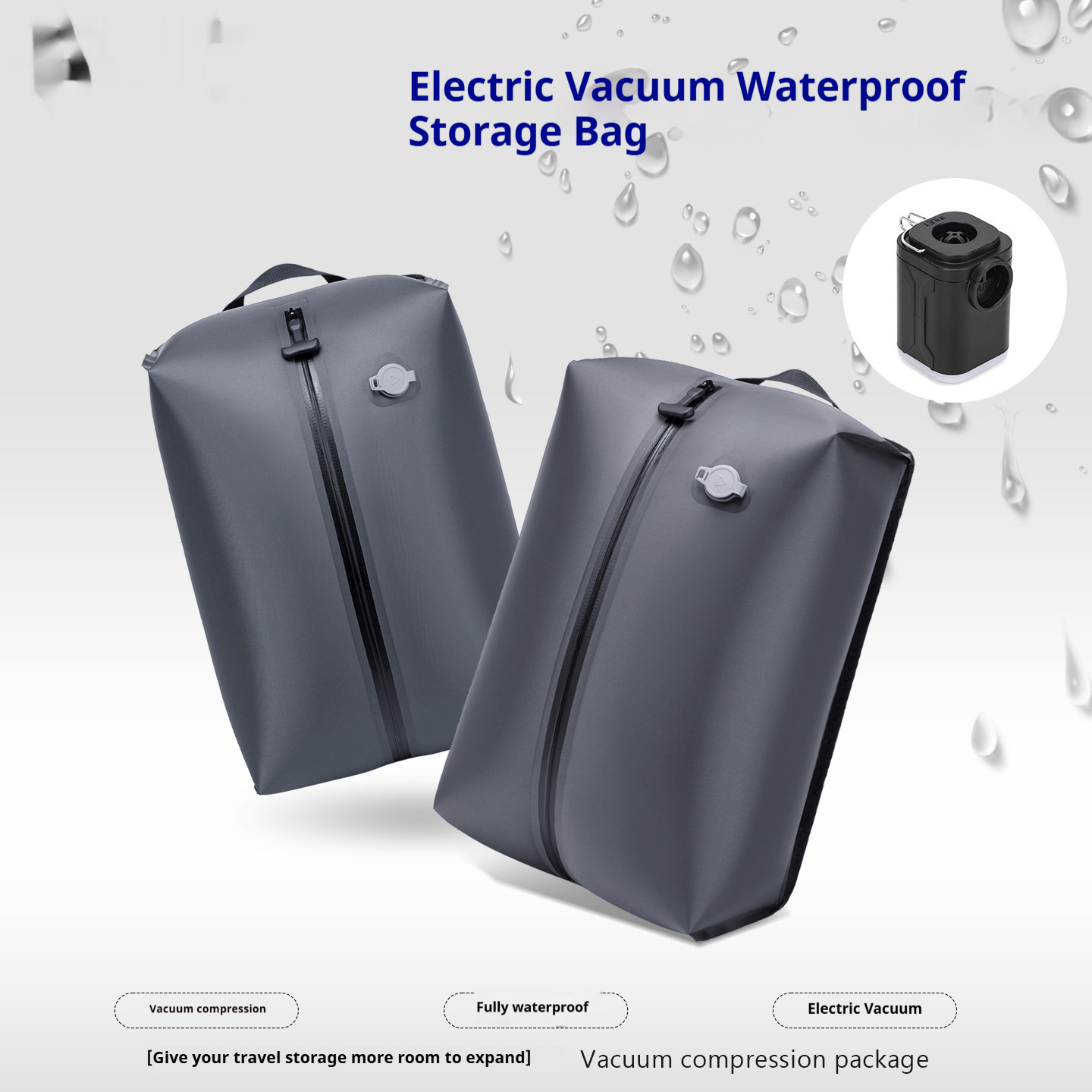
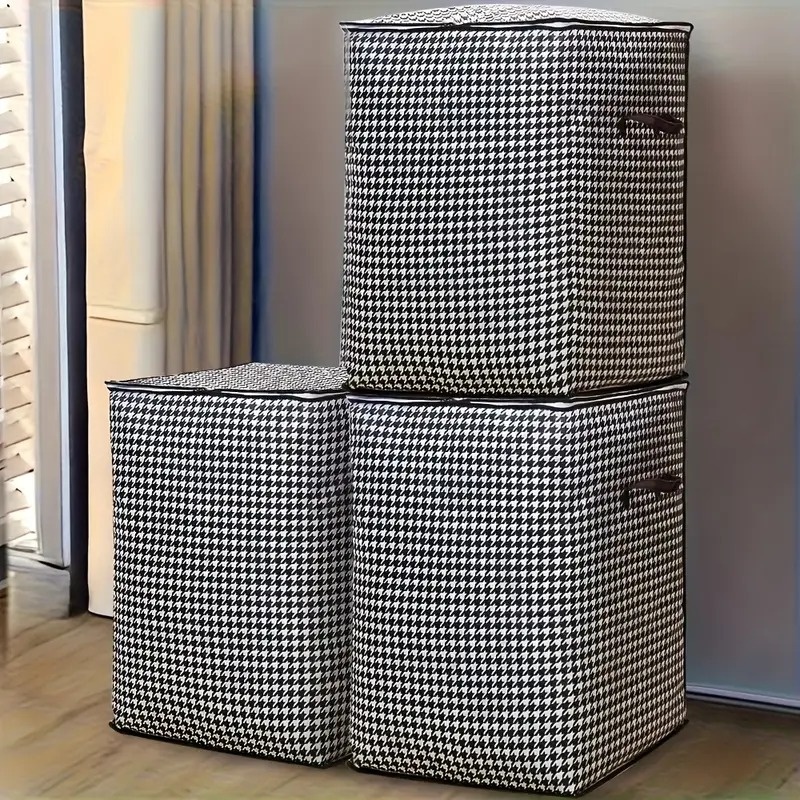
Use under-bed boxes, high shelves, closed bins, or less accessible cabinets for seasonal or rarely used products.
Keep the best storage space for daily routines.
Common mistakes that make small spaces feel cluttered
Keeping too many products visible
Counters and shelves become visually overwhelming when backup products, duplicates, and occasional-use items stay permanently visible.
Using storage that is too large
Oversized organizers often make compact rooms feel even more crowded instead of more organized.
Mixing every category together
Daily essentials, tools, backups, and occasional products work better when separated into simple routine-based zones.
What actually works in real homes
The most effective organization systems are usually the simplest. Small spaces work better when storage stays compact, easy to clean, and connected to daily habits.
- Keep only daily essentials visible.
- Use vertical storage whenever possible.
- Choose organizers that fit the actual routine, not just the product category.
- Create one dedicated zone per category.
- Reduce visual noise on countertops, shelves, drawers, and cabinets.
Create a space that feels calmer every day
Explore practical organization products designed for real homes, small bathrooms, compact vanities, apartments, and everyday routines. The goal is not perfection — it is creating a space that feels easier to live in.
Frequently asked questions
How do I organize a small apartment with little storage?
Use vertical storage, hidden bins, drawer dividers, under-sink zones, and one clear home for each category. Keep daily items accessible and occasional items stored away.
How do I make a small apartment feel less cluttered?
Reduce visible products, keep counters clear, use fewer but better organizers, and reset high-use surfaces daily.
What should I organize first in a small apartment?
Start with the area you use most every day, such as the bathroom counter, kitchen counter, entry zone, or vanity.