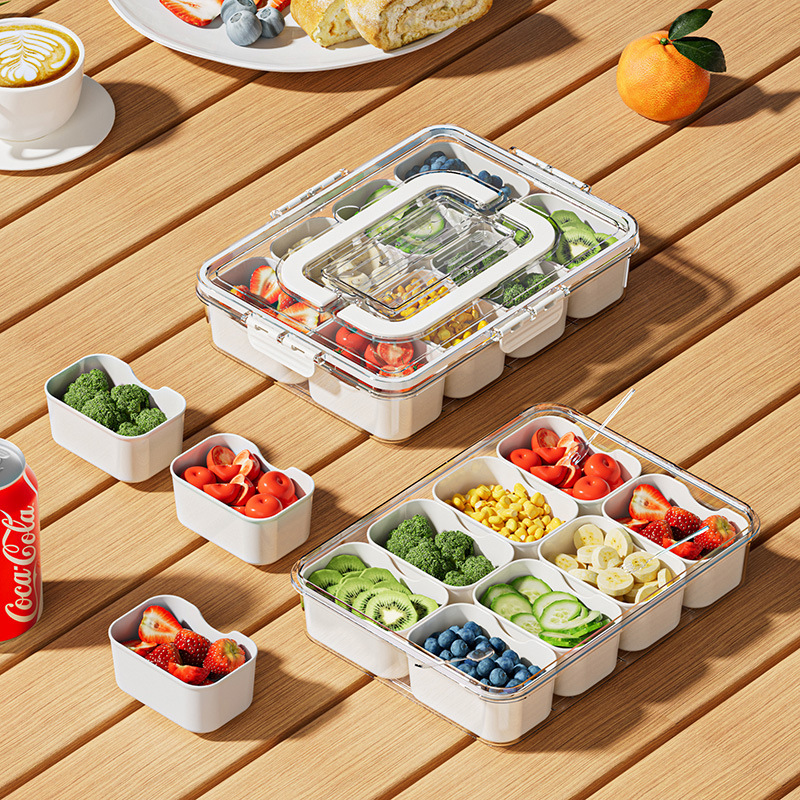
A small kitchen without a pantry needs one defined food storage zone. This can be a cabinet, shelf, rolling cart, or group of bins that keeps dry goods visible and easy to restock.
A small kitchen feels bigger when every item has a clear role.
The goal is not to hide everything. The goal is to make cooking, cleaning, and everyday access easier by giving each category a predictable place.
The goal is not to create a perfect showroom. The goal is to create a calmer, more functional everyday routine that is easier to maintain after real use.
Quick answer
Organize the kitchen by activity zones, keep countertops focused on daily tasks, use cabinet height with stackable storage, and separate small tools with drawer or shelf organizers.
How this guide answers the search intent
This guide connects the topic to practical storage decisions, collection links, product ideas, and simple routines that can be applied in real homes.
What this guide helps you fix
- Choose one main pantry zone
- Group food by meal type
- Use bins to create drawers inside cabinets
- Keep labels simple and practical
Choose one main pantry zone
Do not spread dry goods across every cabinet if the kitchen is small.
Choose one main zone for pasta, rice, snacks, breakfast items, spices, and canned goods.
When food has one home, it is easier to see what needs to be used before buying more.
Group food by meal type
Small kitchens work better when pantry items are grouped by use.
Create breakfast, cooking basics, snacks, baking, and quick meal zones.
This makes meal prep faster and reduces the chance of duplicate purchases.
Use bins to create drawers inside cabinets
Cabinet shelves can be deep and hard to search.
Bins let you pull out a category instead of moving every item one by one.
This works especially well for snacks, packets, spices, and small jars.
Keep labels simple and practical
Labels should help the system survive daily use.
Use broad labels like snacks, breakfast, pasta, rice, spices, and baking instead of over-specific labels that become hard to maintain.
A pantry system should be easy for everyone in the home to follow.
Common mistakes that make small spaces feel cluttered
Spreading pantry items everywhere
A small kitchen feels harder to use when snacks, spices, and dry goods are scattered across every cabinet.
Keeping too many appliances out
Countertops should stay useful for prep. Occasional appliances usually belong in cabinets or compact storage zones.
Not using cabinet height
Many small kitchens waste vertical cabinet space that could be used with risers, bins, or stackable organizers.
What actually works in real homes
The most effective organization systems are usually the simplest. Small spaces work better when storage stays compact, easy to clean, and connected to daily habits.
- Group tools by cooking zone.
- Keep counters focused on daily tasks.
- Use bins and risers inside cabinets.
- Create one simple pantry zone even without a pantry.
- Store occasional tools away from prime space.
Create a space that feels calmer every day
Explore practical organization products designed for real homes, small bathrooms, compact vanities, apartments, and everyday routines. The goal is not perfection — it is creating a space that feels easier to live in.
Frequently asked questions
How do I organize food in a small kitchen without a pantry?
Choose one cabinet or shelf as the main food zone, group items by meal type, and use bins or risers to make products easier to see.
What can I use instead of a pantry?
You can use a cabinet, rolling cart, open shelf, drawer, or compact bin system as a pantry alternative.
How do I keep a small pantry organized?
Use broad categories, check inventory before shopping, keep open packages together, and reset the pantry zone weekly.